My Pins

Showing posts with label health. Show all posts

Friday, October 10, 2014

Wild Nettle Cordial


Stinging Nettles are perfect and tender, ready for picking right now (here is Tas anyway)
Use gloves and long sleeves so the irritating hairs don't sting you. If you do happen to get stung cast your eye around for dock, it usually always grows where nettles do. Crush the stem and leaf and apply the moist mash, it works almost instantly. If you can't find dock, go for plantain.

Young nettle tops can be made into pesto, ravioli filling, soup and many people enjoy it as a simple tea. Nettle tea in your kombucha brew is so yummy. Nettles are power packed with nutrition and health benefits and a much better choice for a "cleanse" than some of the more extreme methods. A cup of nettle tea every morning for a couple of weeks will move your winter body into a revitalised state. A word of warning though, it can lower blood sugar and blood pressure so if you are already on medication for those complaints then you should only use nettle medicinally under supervision.

You know me though, I can't resist a cordial experiment.


Most of the recipes I found suggested steeping/fermenting for a week. I thought that was not necessary for nettles. I simmered a huge bunch of tender leaves with 2 litres of water for at least half an hour. It was an amazing rich green colour. After straining I added 100g of sugar for every 100ml of liquid, stirring over a low heat to dissolve. Most cordial recipes also add citric acid (from lemons) for preserving and erring on the side of caution I added about 50g and I was horrified to see my gorgeous green liquid turn brackish brown. You live and learn. All you chemists out there are probably nodding your heads sagely. 

I have found some great cocktails that call for nettle syrup (here and here)but you can also just enjoy it in a punch or in a long glass of soda water. Great splashed in a Pimms too I should imagine.

Do google and read up on nettles, they are an amazing plant and perfect for a novice forager as it can be harvested in meaningful culinary quantities easily and is very versatile. You could even substitute for spinach in the pasta like I did last weekend.
Do share if you have a favourite way with nettles.

Saturday, September 27, 2014

Home Made Toothpaste and Sunscreen


Making your own toothpaste and sunscreen is easy and costs a fraction of the commercially prepared ones AND you know what's in them.
Last Thursday Lisa Bolton prepared a workshop for us and we had a BALL!


First we made toothpaste and you can find Lisa's recipe
because she is a kind sharer.
This took literally a minute to make, cost next to nothing and you can say goodbye to millions of toothpaste tubes in land fill.
Winner!
The exercise also sparked debate about fluoride and discussions about essential oils, bulk suppliers locally and on-line.... 


We moved on to sunscreen and discussed the properties of zinc oxide and titanium oxide and nano particles and micronisation and the price disparity between pharmacies and on line soap suppliers.
Again this was a super simple measure, melt, whip and pour process.


Again, Lisa kindly shares her recipe 
We learnt so much and had great discussions.
Everyone was grinning from ear to ear with their success and we can't thank you enough Lisa for all your preparation, ingredient organisation, recipe sheets and all the great mini equipment we got to play with.
Lisa has a page on facebook called
clever huh! and she posts recipes for good things to eat too!


Saturday, June 28, 2014

Additional Salve Making Information


Last Thursday we had a salve making session at our Living Better With Less group.
I have a general instructional 
There were however some other questions and answers that came out of the session that I thought would be helpful to list here.

Our recipe on the night was calendula, rose hip, plantain and chamomile infused oil.

  • It's a good idea to make a diary note when making something like a salve or any kind of preserve because you can go back and reference quantities, date, personal notes on effectiveness of infusion and ingredient preferences.
  •  You can use fresh or dried herbs and plant material. If using fresh make sure they are free from dew or moisture before placing in the oil to avoid your batch going mouldy.
  • We advised researching the efficacies of plants before using them and making your salve with conscious intent. For instance; comfrey is an amazing fast healer BUT you don't want to use it in cases of open wounds as it can heal SO quickly that it may heal infection within the wound and even may hamper the edges of a wound from effectively building a knitted skin repair by healing the edges rather than a knitted closed wound. It can also be liver toxic in large quantities and is not recommended for small children so we would not recommend it in a nappy cream for instance. By all means though, a comfrey salve for strained gardeners' backs or sprained ankles is marvellous and particularly helpful on broken bones. So choose your purpose and then pick your plants to tailor make your salve to suit. For another example; you could add essential oils of eucalyptus, cedar, mint for a vaporising chest rub for colds and congestion.
  • A word on essential oils - go easy! Just because something is natural doesn't make it safe for everyone, for instance lavender is one of the most common sensitivities. The commercial world has convinced us that everything has to "smell nice" but not everything has to be perfumed. Give your nose a break. When you ditch a lot of the chemicals and scented products from your life you will find your nose has re-adjusted and become sensitive to nuances again. Only add essential oils for a specific purpose that meets your intent.
  • Rosehips contain very fine fibrous irritating "hairs". They can be infused whole but I believe it is more effective to chop them. By hand this is a laborious job and I suggest a closed lidded food processor. Adding oil will also keep fibres contained so they don't become airborne.
  • The beeswax will dissolve evenly and quickly into the oil at a low temperature if it is grated. You can source small pelleted beeswax from craft suppliers but I prefer to buy from local honey makers so it is usually in a chunk or a bar and needs to be grated. This is a bit laborious too and I've made just about all the mistakes for you. If you try chopping/grating in a food processor, the spinning blades create enough heat to melt the wax slightly so after a couple of seconds you have a small amount grated and a quantity stuck to the blades stopping them from any further cutting/grating. You could use your microplane but it will blunt the blades quite quickly. I find a grater used for cheese, carrots etc is the best method. Another in the group said she melts her beeswax and pours it into the oil which you would also need to have warmed so the two will mix and blend. Six of one and half a dozen as far as washing up mess goes so I may try the melt and mix method next time as I do make in a quantities that require grating 100g plus.
  • Here in the north of Tasmania you can source your beeswax from The Honey Farm in Chudleigh or The Tasmanian Honey Co in Perth (Tas)
  •  Speaking of washing up. A good rubber/silicon spatula will ensure you get the sides of pots etc really scraped down cleanly and then I advise wiping out the warm pot with a piece of paper towel to remove extra residue before washing up.
If you think of other questions let me know and I will edit and add. If you have anything other experiences you would like to share please add them in the comments below. Please also feel free to add a url in your comment if you would like to direct people to a relevant post you have made about slave making as shared experiences are learned experiences. (Note; any advertising and non-relevant material will be deleted)

*************************
As always, none of my posts are intended as medical advice but merely a description of what we discussed and did. If you have any medical concerns you should always defer to your naturopath or doctor for their advice.


Tuesday, April 15, 2014

Fire Cider - A Remedy For Winter Colds

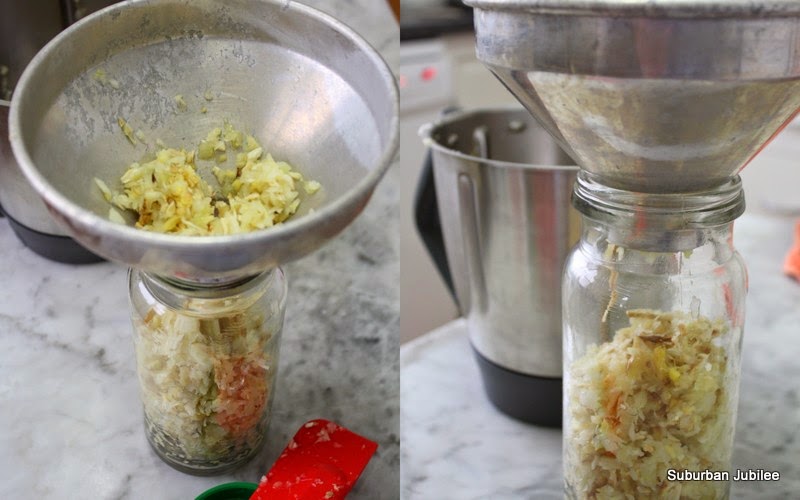
Looking down the funnel it really does look like a fire in the hole!

Autumn is the time to look to your herbal remedies pantry store.
Elderberry tincture is a must have in our house with it's anti-viral, anti-bacterial and immune boosting properties. A single dose at the first sign of illness is usually enough to stop it in it's tracks. I gather my berries in late summer and the tincture has infused and is now bottled and labelled in the pantry.
Next month I'll gather wild rose hips from the hedgerows to make Vit C boosting rose hip cordial. When you are under the weather it is lovely to sip in hot water.
But now is the time for fire cider making, a very old warming cold and flu remedy.


This is another infusion that needs to sit for a month but instead of a tincture of alcohol this one is made in cider vinegar.
Autumn is the time for harvesting fresh horseradish root which seems to be one of the key ingredients in many recipes and I especially thank Julie in Hobart for dropping some off into my letterbox. We've never met but have shared the same life interests via facebook for years-don't you just love this social net working.
There are many fire cider recipes on the net and certainly Rosemary Gladstar's you tube clip would be my most recommended go-to.


Roughly chop ingredients into small pieces, either by hand or use a processor. I am making my infusion in a Fowlers jar, so handy for many uses, and a wide mouth funnel aids the job here. You don't need fancy equipment in the kitchen but my word a selection of funnels makes life easier.


So here are my ingredients;
A large handful of scrubbed, chopped, fresh horseradish root
1 large or 2 small chopped onions
a whole corm of garlic chopped
A fresh piece of ginger about the size of my hand
1 large heaped tablespoon of ground turmeric
1 modest tablespoon of cayenne pepper
Place all of the above in a glass jar and cover with a good cider vinegar, raw and unfiltered still containing the mother. Cover and leave to macerate and infuse for a lunar month. Strain into a clean bottle and label.


You can take a dose neat as a tablespoonful or you could add it to water to sip and even use it as a salad dressing. If you are really under the weather, sip in hot water with a teaspoon of honey added and get into bed, you should feel thoroughly warmed and may even produce a good cleansing sweat. Do not underestimate the power of simple ingredients like the alums in this recipe and you can read more about working with the body to shed illness in this post here about a common cold recipe I use from Dorothy Hall.

(The above is not medical advice but simple folk remedies that I use. It is for information only and does not intend to replace or contradict any therapy or treatment recommended by your health care provider)


Friday, April 11, 2014

Home Made Nappy/Diaper Change Salve


This is a perfect salve for nappy change times and cradle cap and one you'll want to pin. It is made simply from the garden using the super healing properties of common plantain. Used with calendula, another wonderful skin healing herb also found commonly in most gardens and chamomile incorporating the anti-inflammatory properties, this salve will soothe, nourish, heal, cool and promote soft healthy skin.


Gather fresh leaves of plantain before the energy of the plant goes into seed head production. After dew has dried is the best time as the herbs need to be absolutely dry before they go into the oil or you risk rot in your infusion. 
The leaves can be simply bruised/crushed and placed straight onto bites, stings, rashes or sunburn as an immediate remedy making it an excellent first aid.


Place the leaves along with the calendula flower heads and chamomile flowers into a large glass jar and cover with olive oil. Place somewhere warm, my kitchen bench catching the last of the Indian summer warmth is perfect, and turn gently from time to time to make sure the oil is mixing through the herbs. Leave for a month to infuse.


After a month of infusion, strain well through filter paper or a cloth lined strainer.
Measure the amount of infused oil and grate 10% in beeswax.
For instance if you have 800ml of infused oil, grate 80g of beeswax. This gives a nice manageable set to the salve but it melts so readily when applied to warm skin.
On a very low heat gentle combine the oil and grated beeswax till melted. 
Remove from heat. At this point I also add a few drops of vitamin E oil to extend the preservation.
Pour into clean glass jars or pots and cover straight away and leave to set.
Label and date.
A great gift for new babies.

 *******************************
Best practice is to use a clean stick or spatula every time but that is not entirely practical at nappy change time. We simply use our right hand for wiping and cleaning and then our left hand to take a single scoop from the pot thus keeping it from contamination. You wouldn't want to wipe a bottom and then transfer that back into the pot.
******************************
28/06/14 - We had a salve making session at our Living Better With Less group this month and you can find additional information in the link here from some general Q&A that came up.


Wednesday, March 26, 2014

Snacking on Seeds


I LOVE pumpkin season. I love pumpkin soup but I really love pumpkin seeds even more I think.
When I tell people they always ask me "how do you eat them?"
"Straight from the pulp as I'm cutting it up mostly" I would have to reply.
But I have got a technique for dried seeds too.


The seeds from Turk's Turbans are my all time favourite, so buttery and soft.
I also like the seeds from the large pumpkins in the first photo too. I'm not sure what they are called but their outer shell is less fibrous than a QLD Blue or a Jarradale for instance.


Pumpkin seeds make a great snack for in between meals and a whole host of other health benefits. For instance, they are high in protein, a rich source of zinc, magnesium, vitamin B group and Vit E.
They contain L-tryptophan which is great for a good night sleep and helps depression.
They are effective for ridding thread worm and have an anti-inflammatory action on the body. Studies are linking their positive effects to prostate health and their ability to lower LDL in the body.
In short
WHY ARE YOU THROWING THE SEEDS AWAY!!!


I am a big believer in foods in season and for a reason.
I believe we are supposed to eat certain foods when they are in season for optimum health seasonally.
I also believe in true cravings and joy for foods.
I have trouble absorbing magnesium and zinc and have abnormal LDL despite a good diet. I don't think it is any co-incidence that I take such delight in pumpkin seed season. 
Next time you are cutting a pumpkin, remove the seeds from the pulp. Soak in a solution of one and a half tablespoons of salt to 500ml of water overnight or for about 8 hours then spread to dry or place in your dehydrator. Mine never last long and I really appreciate them when I'm still at work at 7pm and haven't eaten since midday, they tide me over nicely till I can get home for dinner.
Crunchy, chewy, buttery, nutritious pumpkin seeds.
Isn't nature wonderful!


Wednesday, October 23, 2013

I Don't Mean To Alarm You But...


I don't mean to alarm you but.....
I'd like to give you a personal account of chemicals and your food.
There is a local farmer I know and to his credit he is trying some alternative methods in agriculture but his farm which has been owned for five or six generations also still uses chemicals and he likes to point out, and rightly so, there are chemicals and there are chemicals.
(I should point out these are not his sheep they are merely for decorative illustration of our purposes and blog ascetics.) 

The shearer is pretty sensitive to smell and even more so that we are chemical free at home and in garden. The more chemicals, and even scents, regardless of how natural they are, will cause a degree of loss to your sense of smell. Again, the old adage, all things in moderation. 
He was shearing the other week and as the sheep passed from the shearers they were penned below the shed where farm workers were spraying the sheep with a systemic chemical. It's important that sheep be treated for lice and fly strike. As the wind gusted it blew the chemical and the shearer certainly smelt it and was aware of slight tingling about his mouth and nostrils.
When he raised the issue with the farmer he was treated in a very off hand manner ( "I can't smell it" )and when he was pressed for the chemical specs was handed the torn off label from the bucket. As far as the farmer was concerned it was completely safe and if the shearer didn't like it he was free to leave.
Well of course everyone is free to leave but regardless of who you are as an employer, you have a duty of care and that is the law, but I'm not getting into that in this post.

The shearer brought home the label and looked up the specs. What the farmer didn't know is that the shearer has had a lot of chemical handling training. He wasn't looking up anything anecdotal, he only accessed the company's specification sheet. It turns out that this "perfectly safe" chemical is incredibly toxic to a huge range of animal species but particularly to water/marine animals and carries special warnings to prevent the chemical entering any water ways or run offs. The sheep must be withheld for a minimum of  two months before butchering and the wool must not be handled for a minimum of six months. The fact that it is systemic means that it is taken into the system. Protective clothing and eye wear are supposed to be worn and the area well ventilated.
The farmer's own son was spraying this chemical on without protection.

Now my point is this....
Chemicals like insecticides are sometimes necessary in our mono-agri businesses and I think Australia does a pretty good job with the regulations BUT what is the point if those using the chemicals don't know what they are using or how to administer them. The scientists have done the tests and the math and come up with the with holding periods and the danger points but it is only as safe as the user who reads it. 
If a well known and well educated property owner can be so ignorant can we have faith that the food is safe? 

I don't mean to add another notch to your paranoia but I encourage you to try to understand the source of your food and grow as much as you can. Always question and do not follow like sheep just because the guy up front says it's safe. Just because a chemical doesn't have an overwhelming smell doesn't make it safe. And I certainly don't want my man working in a hazardous chemical environment.

This goes for the ordinary householder too. Please for your family's sake try to avoid chemicals and if you can't please be absolutely sure of what you are doing and read ALL the directions including how to dispose of equipment. 

Monday, July 1, 2013

Coughs and Colds - Elderberry Tincture


The second subject we talked about at the Better Living meet-up was how to alleviate some of the common ills of winter, the primary one being the common cold.
There is much growing in our own backyards that we can harvest for simple remedies and unlike the commercial preparations in stores, natural remedies will work with your body to remedy the illness rather than keep masking the symptoms leaving the body to battle on trying to eliminate the germs.

Naturally there is a caution and warning.....
Just because something is natural doesn't mean that you can be careless with an ingredient or heedless of it's effects. The following is meant as general information and you should always research thoroughly and consult a medical practitioner such as a naturopath or herbal pharmacist. 

Two books that I have found invaluable over many, many years are
"Health Through God's Pharmacy" by Maria Treben
and 
"The Natural Health Book" by Dorothy Hall
I have already posted previously here about the Common Cold recipe by Dorothy Hall here
and I urge you to read that post for a simple practical hot toddy that helps the body eliminate its ills. It has a base of lemon, so cleansing and astringent and readily available in winter, like nature knows what to provide each season.


The tincture in the first photo is from these elderberries I picked and made back in early autumn in anticipation of winter colds. Unlike the delicious rosehip syrup with it's big hit of vitamin C, the tincture is made with an alcohol base and no sugar, so it really is more like a "medicine" as my tasters found at the meet-up. 
Elderberries are quite a super berry. Loaded with Vitamin C &A they are also thought to be anti-viral,  anti-bacterial and anti-inflammatory. All very helpful qualities during the onslaught of a cold. Removing the berries from the stems requires patience and I like to do it with bowls on my lap in front of TV or listening to music. The stems, bark and leaves can have a purgative effect and if ingested brings on vomiting and diarrhoea. Likewise their seeds in large quantities so that is why they are heated and the pulp extracted.
Once you have the berries place them in a saucepan on low heat with a scant amount of water, cover and stir  and mash releasing the juices (much the same process as in the rhubarb cordial recipe) The recipe I use from Tina Sams also has ground ginger root and ground cloves. There are many recipes available on the net but I highly recommend this story here on 
and I have been very happy with my purchase of the e-book "An Elder Gathering" from the same site.
Once you have extracted the juice, allow to cool slightly and then place into a wide mouthed jar and cover the berries with alcohol (I see nothing wrong with gin) and tighten a lid on and shake gently to combine. Place it in a dark cupboard and strain into bottles after two weeks and label. 
The recommended dosage I use is 30ml adults every 3hrs and 15ml for children every 3 hours when needed.

We talked about thyme, nettles, rosehips and ginger....but that is another post. 


Saturday, May 4, 2013

Foraging For Wine, Cordial and Sauces


This is what the hedgerows look like around our area here in the north of Tasmania. They are thick with hawthorn berries and sloes that look delicious and inviting but are in fact inedible from the bush and very tart. These thorny hedges were introduced to Tasmania (probably brought from England) as a way of fencing stock.
In the above photo you see hawthorn berries (red) and sloe berries (blue and dusky very much in looks like a blueberry) and are best picked after the first few frosts which improves their flavour and ensures they are ripe.

At our last Living Better meeting we were lucky to have one of our group take us through the process of making sloe wine. Imbuing gin with sloes is commonly done but making the wine less so. She also had a bottle for us to try and the flavour was really interesting. The longer it cellars the better it gets and is described to be more like a port as it ages. When she sends us the instructions I shall share them here too but it was quite a simple process of fermenting the mass in a brewing bucket with an air lock. Picking the sloes is probably the most consuming but a family effort is the thing.


Another in our group spoke about his experiences last year with making "Haw-Sin Sauce" using the River Cottage recipe here. You can see the hawthorn berries in the bottom of the basket there in the picture above, just a small bunch nestled beneath the rosehips and sloes. He felt the recipe was a bit too sweet for his taste and would experiment with less sugar next time. 
Another recipe I found that sounds good especially as we have loads of ripened chillies at the moment is one for a "Chilli Hawthorn Dipping Sauce" and I happen to know where I can get some Bramley apples too though I should think Grannies would also do.


Of course my winter favourite is the rose hip cordial full of vitamin C and childhood memories. The recipe is here or if you have the cookbook it is on page 35. I love to have small bottles of this on stand by also for sick friends and enjoy it added to hot water before bedtime.

Our Living Better group meets again on the 30th May (always the last Thursday in the month). We have one in the group presenting "Cleaning Without Chemicals" and another demonstrating the art of "water divining". 

In June on the 27th we will be sharing recipes and advice for common winter ailments, from the common cold to chapped lips and dry eyes.


Tuesday, April 23, 2013

Hedgerow Harvest Time


Almost time to get your gloves on and head for hedgerows!
Wild rosehips are best picked after the first frost maybe some of your districts have already had one.
You can re-visit my post including recipe for making rosehip cordial here but before you do a reminder....

The Living Better Group 
meets this Thursday 
26th April 2013
7-9
at the new venue
The Workers' Club
66 Elizabeth St Launceston.

Brad takes us through his Hawberry Sauce making using hawthorn berries
Kay is teaching us to make Sloe Wine (not gin) from sloe berries
I'll be taking you through the rosehip cordial process.

Next month (30th May) Elisha will take us through her chemical free cleaning and I'll be talking about common coughs and cold remedies to get you through the winter months.


Sunday, March 24, 2013

Elderberry Time


Just a little reminder that it is time to pick elderberries. The heads will be drooping with weighty ripe dark berries. Don't forget to leave some for the birds too. Remember it is very important at this stage to remove the berries from the stems. The stems and bark contain purgative qualities and are best left in the hands of an experienced herbalist.
I have made mine into a tincture for use as a cold and cold remedy this winter. Warming the berries helps them to release their juice so I place them in a pot with only very little water till they soften and run (similar to the first step in making the rhubarb cordial). A potato masher also encourages the process. I then placed the pulp into two wide mouthed bottles and topped with alcohol. These will steep for two weeks then be strained from the pulp and used for coughs and colds. Adults 1 tablespoon children 1 teaspoon  as required or every 3 hours.

For more information about elderflowers and elderberries I would recommend purchasing the e-book "
An Elder Gathering"
from here (look in the side bar) for $5. Well worth it. 
You could also read more here on the Common Sense Homesteading blog about Elderberry syrups.

Wednesday, January 23, 2013

Using The Whole Animal


A little while ago we purchased a whole pig from a farmer we know in a town not far from here. They were not heritage breed pigs, just plain old Landrace but well bred and ethically raised in a paddock with somewhere to wander and snuffle. 
There are many cuts from the meat and they are all frozen into portions in the freezer.

As I did last year, I made Fromage de Tete (see above) from the head and trotters and you can read about that here. It keeps for up to a month in the fridge and is delicious for cut lunches and carries a robust chutney or pickle very well.


The left over liquor from the simmer makes a wonderful pork jelly with creamy rendered fat on the top.


This is the leftovers to give you an idea how it looks stored in the fridge.
Pork jelly is the solidified rich stock that naturally occurs from using the trotters. This is very nutritious and a real treat heated up as a broth or even a couple of tablespoons into a mug with boiling water to fill and stirred to dissolve makes a nourishing drink and is very good for when you are feeling poorly. 
The fat is easily scraped off the top and is spreadable on bread if you are so inclined or may be used in place of cooking/frying oil.
( Read an interview here with Sally Fallon author of "Nourishing Traditions" about animal fat. Even better, by the book)


I wish I was a big fan of offal but I'm working towards it but the dogs like a lot of the stuff I don't. I do favour the cheap cuts too though and you can read how to enjoy ham hocks here.
The extra fat is cut and rendered for soap and we have talked about that here before.


The advantages of getting to know producers in your area and being able to buy a whole beast and honouring that beast by using the whole product. I am supporting local producers who raise ethically AND living frugally. It is a fallacy to say that eating organic is always the most expensive route. If you live in a city you may have to look to a small town for a producer or approach a butcher for a better deal for a whole beast, fat and all! 

Monday, October 8, 2012

Day Rituals


I find it helpful to keep a some days especially for ritual jobs.
Monday is popular being the start of the week and still fresh in my mind!
A weekly ritual from now until Christmas is to "feed the cake" so on a Monday I unwrap it and trickle some scotch over the top and wrap it back up.

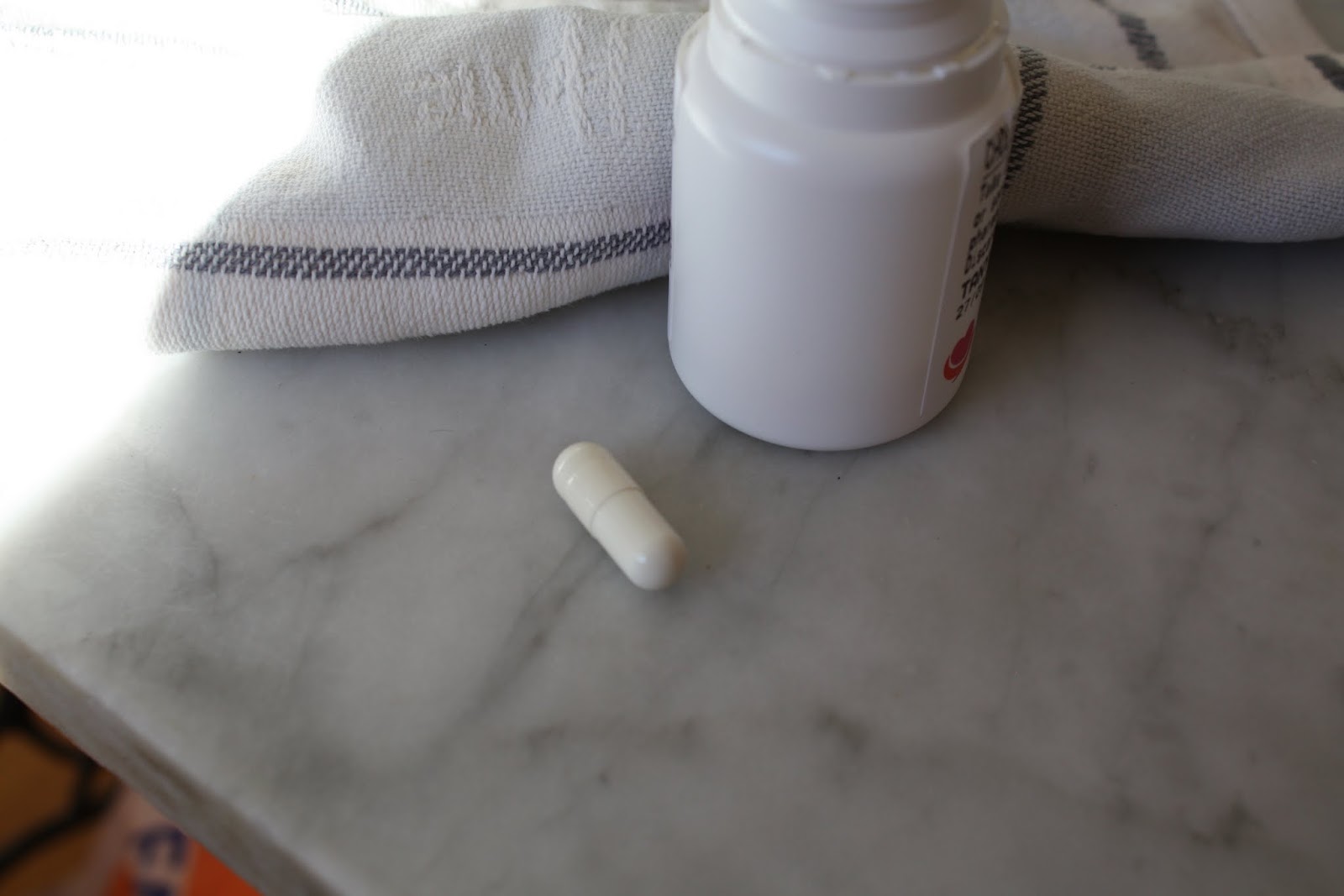
The other standard Monday ritual is my once a week high dose Vitamin D capsule.


Daily medication is much easier to remember but I'm glad I can just take one high dose capsule once a week. So Mondays it is!

Do you have Day Rituals?
Like a once a week clean of your wooden boards with salt and lemon juice...

Another day I set aside is Sunday for dog brushing otherwise the motivation to do this job is low. It is one job that I can't be slack about. 


In the old days, there used to be a day set aside for washing and a day for ironing.
There was a day for bathing and a day for praying.
A day for beating rugs and a day for shopping.
Do you still hold some days special?

Thursday, July 12, 2012

The Secret of Happiness


Last year just before Christmas I adopted a mantra for the coming year that seemed so filled with uncertainty.

The Secret Of Happiness...
Something To Do,
Someone To Love 
and 
Something To Hope For

As you know I am a keen supporter of youth suicide and depression and funds raised from the Sunflowers seeds go to the Nettlefold Foundation to assist their work in this area.

All of us get blue sometimes and we can get stuck in a rut.
There are times though when we may need to seek medical help either temporarily or permanently for real depression and I want people to start talking openly about depression so that it is not so stigmatised.
I suffered very severe depression after one of my best friends died a few years ago. Rock bottom didn't hit until after passing all those milestones; her birthday, the first Christmas without her, the first Easter until finally, the anniversary of her death. It was then that I began to think that I would never be happy again. I was not just sad and grieving at this point but I was now severely lacking in serotonin levels and had moved into the very dangerous self harm area. I am very grateful that someone very sharp recognised the signs and rang a doctor and booked me in. If not for her action, many would be remembering me today sadly and shaking their heads saying, "she seemed so fine, we had no idea, why on earth would she commit suicide?"


I received medical help for about a year.
I have not told my family because I feel ashamed, that I was weak and somehow lacking.
I nearly threw away everything I loved and sentenced people I loved to a lifetime of sadness and guilt.
I have learnt that people with depression hide it very well.
Most will continue to rise in the mornings, go off to work and come home and make dinner.
They think they are rational but are anything but because their life views are skewed and their feeling of self worth is extremely low.
I can understand now why people are so surprised when someone commits suicide because they hide it so well. Having someone find out and thwart your schemes is the last thing you want. It's hard to believe but it's because you don't want to create a fuss, you honestly think things would be better for everyone if you went away quietly.
Having recovered and walked away from that dark place, I still look over my shoulder in wariness, ever watchful that I don't wander that way again.
I also know that it is not merely a matter of "snapping out of it" either.
Sometimes I ask myself, "Am I normal sad or am I falling into depression?"

Since that time I have experienced the most happiest times of my life and I feel so utterly at peace and enjoy fulfilment and abundance. I am grateful for so many things and I live by that mantra. 


Keep life full and busy; hobbies, home making, work, gardening, cooking, yoga, volunteer work, fund raising, walking dogs....find something that fulfils you and engages you.


Someone to love; not just that rare Prince on a white steed, (I have one of those rare ones)
Families, aunties, cousins pets, dogs, chooks, pigeons, neighbours, orphans, God in whatever form you believe, there are so many who need/want your love.


Something to look forward to; Christmas, grandchildren, spring, publish a book, enter an art prize, get a degree, buy a cafe, a long bath every Sunday.

But most of all lets start talking to each other. Lets talk about depression and bring it out of the cupboard and into the light. If you suspect you have been very sad for a long time, ring and make an appointment with your doctor and ask a friend to go with you. They needn't go in to the appointment but you are more likely to make it to that appointment if someone commits to get you there. Take one step at a time.
Life is precious and I have shared something very, very special with you. I am not looking for judgements. I am just wanting people to get happy in their lives. Depression and suicide effect not just the "victim" (for want of a better word) but also those around them.

Gosh I hope I haven't depressed you! This was supposed to be a post about HAPPINESS...
(Zozie Doll by Susie McMahon)

If you would like to comment, please consider supplying the three things that you are applying to the happiness mantra.
What are you doing?
What/Who are you loving?
What are you looking forward to? 


Tuesday, May 1, 2012

Youth Depression and Suicide


"You're a rock, Tanya. You're solid, consistent, lovely, and such a needed anchor.
Your contributions to the world are amazing, and I love the support and recognition you're giving to the problem of depression and suicide.
You know what's interesting? As a parent, even after the teen's problems are all apparently lifted, it becomes so hard to breathe. I'm going to plant a sunflower bed this year, stand in it, think of your pretty flowers, and. just. breathe."
                                                    signed Anonymous. 

I got this beautiful note from a reader last month emailed to me as she wanted to post anonymously but my blog won't allow anonymous comments. I think she describes the feeling very well don't you? When anguish and concern grip you so crushingly and it's not until months later you suddenly realise you haven't taken a breathe and your rib cage is locked in a band so tight. You dare not risk the intake of breathe in case it muffles the warning sound that we listen for, the sign, the clue. 
Our children are so precious and a part of us like any organ of our body, is it any wonder we stop breathing!
I shared this sweet message with another mother who needed to be reminded to breathe. It is unlikely she will ever fully again but if she can find at least one moment in every week to take one breathe then I think she might survive. She must survive, for she holds her breathe for the children that remain.
Without a doubt youth suicide also changes the lives forever of siblings too.

The sunflower seeds are still available for sale for a couple of weeks more and can be purchased via the "Jubilee Jumble" button at the top of the page. The money from the seeds go to the Nettlefold Foundation to assist youth depression and fight suicide. Read about Ed's legacy and story here.
I have found it hard to manipulate the postage cost on this site and have found it calculates too much when people buy multiple packets. The price for posting one packet is right and I think I have it right for two but I have simply found it very easy to refund any excess postage straight back to the buyer. If you are in doubt and want to confirm a postage cost just email me (link is on my profile)

I would like to also thank you all for your kind comments and support. Sometimes it's easy to think you are alone because you can't "see" anyone out there but then I get those lovely comments and you know what? I see YOU.
And as for you dear anonymous, you are a great mother and I would love nothing more than to throw you feet first into the biggest, sunniest paddock of sunflowers
xxx

This year I have chosen a mantra to live by. It is the secret of Happiness and I will probably bring it up time and again throughout the year.

The secret of happiness is;

Someone to Love
Something to Do
and 
Something to Hope For


Friday, April 6, 2012

Roadside Rose Hip Cordial


If you keep your eyes peeled, you may find wild roses covered with rose hips, especially along country roads in Tasmania. After we left Wychwood Garden on the weekend we gathered rose hips for syrup.


Rose hips are rich in Vitamin C (do you remember Delrosa?)
The bushes are extremely thorny so beware.
We chose some that had been close to a good water source and had developed beautiful cheery bright plump fruit.


We also found some roadside apples too for the picking. They made a juicy snack for the journey home and we duly deposited our cores with hopes of another tree just like it in the future.
It's important to not totally denude the trees and bushes though because they also provide food for the birds too.


After washing the hips, I wizzed them in the food processor (about a kilo) and added them to three litres of water and brought it to the boil and then removed them from the pot and allowed them to steep for a time. As for the rhubarb cordial, I strained through muslin and tied the bag and suspended it from a broom handle across an upturned dining room chair allowing it to fully drip through to the collection bowl beneath.


The resulting liquid looks a lot like the strange vermilion of canned tomato soup. I brought this to a gentle simmer and allowed it to reduce till there was about only a litre of liquid left. To this I added a kilo of sugar and stirred till it was dissolved then brought the temperature back up to 170C and bottled into warm bottles sterilised in the oven at 100C for 15mins.
(Similar process to Rhubarb Cordial)


The resulting syrup is a darker fiery red and delicious mixed with soda water.
Now imagine a splash in hot water for a comforting hot Vitamin C drink.
Bottle into smallish bottles because once opened it should be consumed within the week and kept in the fridge after opening.


These little bottles would make a really thoughtful gift for a sick friend laid low with a cold.
If you are traipsing the by-ways you might like to check out some Hedgerow Recipes here.


Related Posts Plugin for WordPress, Blogger...